
Flavours That Go with Lemon: 8 Pairings for 2026

The afternoon drinks in your break room are gone by 2 p.m., but the zero-sugar shelf is still full. Employees say they want more choice, yet another unfamiliar sparkling water probably won't solve the problem. You need flavours people recognise, in formats they'll buy.
Lemon can bridge those shopping habits. It works with ginger, mint, berries, honey, pepper, chocolate, and coconut, giving a vending operator room to offer something sweet, savoury, spicy, or unsweetened without filling the machine with near-identical drinks.
The reason is practical, not mysterious. As Food and Travel's guide to lemons explains, juice contributes acidity, zest supplies fragrant citrus oils, and preserved lemon adds salty-savoury depth. In packaged products, those differences help explain why a lemon cookie tastes rounded while lemon sparkling water tastes crisp.
Placement principle: Choose the shopping occasion before choosing the flavour. A drink for a manufacturing shift has a different job from an afternoon treat in an office.
The best flavours that go with lemon don't all belong in the same machine. Hospitals need clearly labelled choices, stadiums need fast-moving refreshments, and office break rooms need enough variety to encourage repeat purchases. These pairings give you practical starting points, but sugar content, package size, refrigeration, and actual sales should decide which products keep their slots.
1. Lemon and Ginger Beverages
Ginger adds warmth to lemon's sharpness, making this a useful alternative to straightforward citrus soda. The combination works in sparkling drinks, tea, kombucha, and still beverages, but those formats serve different customers.
The ingredients suggest the flavour, not the vending format.
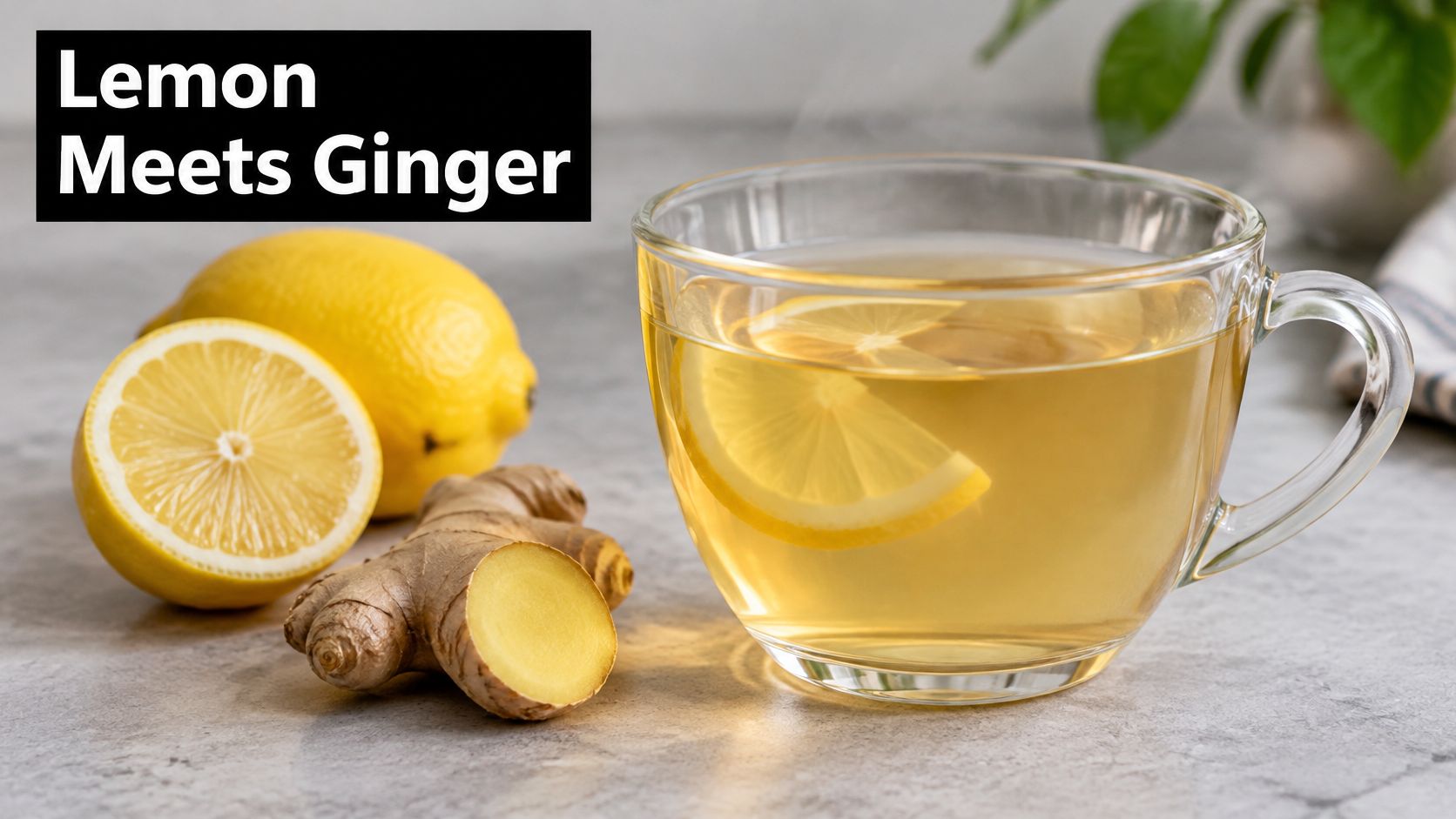
Canada Dry Ginger Ale and Fever-Tree ginger beer are useful reference points for familiar versus more assertive ginger profiles. Neither should be treated as a lemon-ginger product without checking the specific label. For a warm-beverage station, Celestial Seasonings Lemon Ginger tea offers a different route, provided customers have hot water, cups, and somewhere to dispose of the tea bag.
Match the ginger intensity to the location
In an afternoon-heavy office, try a ready-to-drink lemon-ginger beverage in a visible upper position rather than hiding it below the standard sodas. For a hospital staff lounge, prioritise a low-sugar or zero-sugar version, and verify caffeine content rather than assuming every tea-based product is caffeine-free.
Check sodium as well as sugar, especially on products marketed for wellness or hydration. Strong ginger can encourage trial but discourage repeat buying if the heat overwhelms the lemon.
The video offers another way to understand the ingredient combination.
Use Vendmoore's connected telemetry to compare sales with standard sodas during similar stocked periods. If the product sells after lunch but barely moves overnight, change its replenishment and placement before removing it entirely.
2. Lemon and Raspberry Lemonade
At a stadium or airport, customers often choose quickly. Raspberry lemonade gives them a recognisable fruit combination without asking them to work out what a botanical blend might taste like.
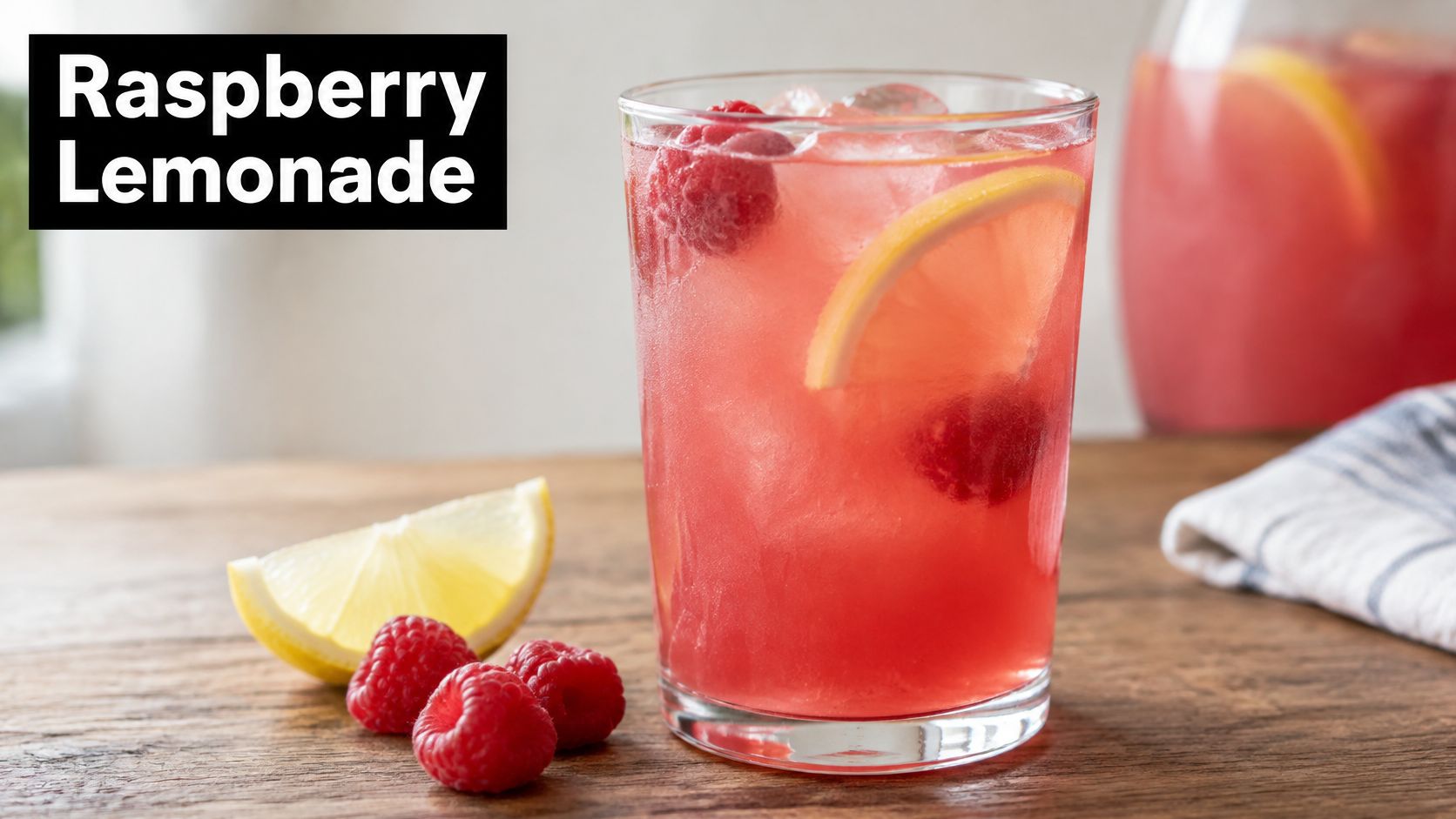
Raspberry contributes its own tartness alongside fruity sweetness. That makes the pairing approachable, but it doesn't guarantee a low-sugar drink: some formulations need substantial sweetness to balance the combined acidity.
The colour can help customers recognise a fruit-led option at a glance.
Use it as a seasonal rotation
Minute Maid Pink Lemonade is a familiar comparison product, but pink lemonade isn't automatically raspberry-flavoured. Check the ingredient and flavour description before labelling a selection. Seasonal raspberry-lemonade drinks from beverage suppliers can fill the more specific pairing when available in machine-compatible packaging.
For an Oklahoma outdoor-event placement, chilled raspberry lemonade is a sensible warm-weather trial. Don't assume the same product deserves permanent space in a quiet office through winter.
Offer a clear alternative: Put zero-sugar lemon sparkling water nearby so customers can choose a similar citrus profile without the same sugar load.
Check the full bottle: Compare sugar and sodium across the package, not just the first serving shown.
Plan the replacement: Move toward tea or another established cold-weather choice when local demand changes.
Vendmoore's guide to drinks for vending machines can help frame the wider beverage mix. Track event-day sales separately from ordinary operating days, since a busy stadium fixture can make an otherwise slow product look stronger than it is.
3. Lemon and Mint Sparkling Water
Lemon-mint sparkling water suits the employee who wants something cold and interesting but doesn't want another sweet drink. Mint supplies aroma, while lemon keeps the finish sharp and clean.
It's a useful candidate for corporate offices, medical-office staff areas, and premium residential common spaces. Still, mint is divisive when it tastes too strong or resembles toothpaste, so sample the product cold before ordering a case.
Give unsweetened drinks a fair test
Look for lemon-mint variants in sparkling-water lines available through your beverage distributor. Multipacks intended for home use aren't always suitable for vending: check individual-can labelling, barcode handling, package dimensions, and whether the supplier can replenish the same product consistently.
Say an office has requested healthier drinks, but its plain sparkling water barely sells. Replace an underperforming selection with lemon-mint, place it at eye level, and group it with recognisable snacks such as nuts or a straightforward oat bar. Don't remove every familiar sweet drink at the same time.
Unsweetened doesn't mean universally appealing. A zero-sugar drink still has to taste good enough for someone to choose it again.
Confirm calories, sweeteners, and sodium from the label rather than relying on the word water. Some flavoured waters contain sweeteners; others have added minerals that affect sodium.
Vendmoore's overview of organic water flavouring offers context for customers comparing flavour-led water options. Telemetry can show sustained sales after launch, but it doesn't automatically identify individual repeat buyers. Combine sales trends with employee feedback to distinguish lasting demand from curiosity.
4. Lemon Pepper Savory Snacks
Not every lemon selection needs to be sweet. Lemon pepper gives customers citrus aroma, black-pepper warmth, and a salty finish in chips, popcorn, crackers, or seasoned nuts.
For a manufacturing break room, that can be more useful than adding another lemonade. Employees looking for a savoury snack during a shift can try a different seasoning without switching away from a familiar snack format.
Popcorn makes the seasoning easy to recognise.
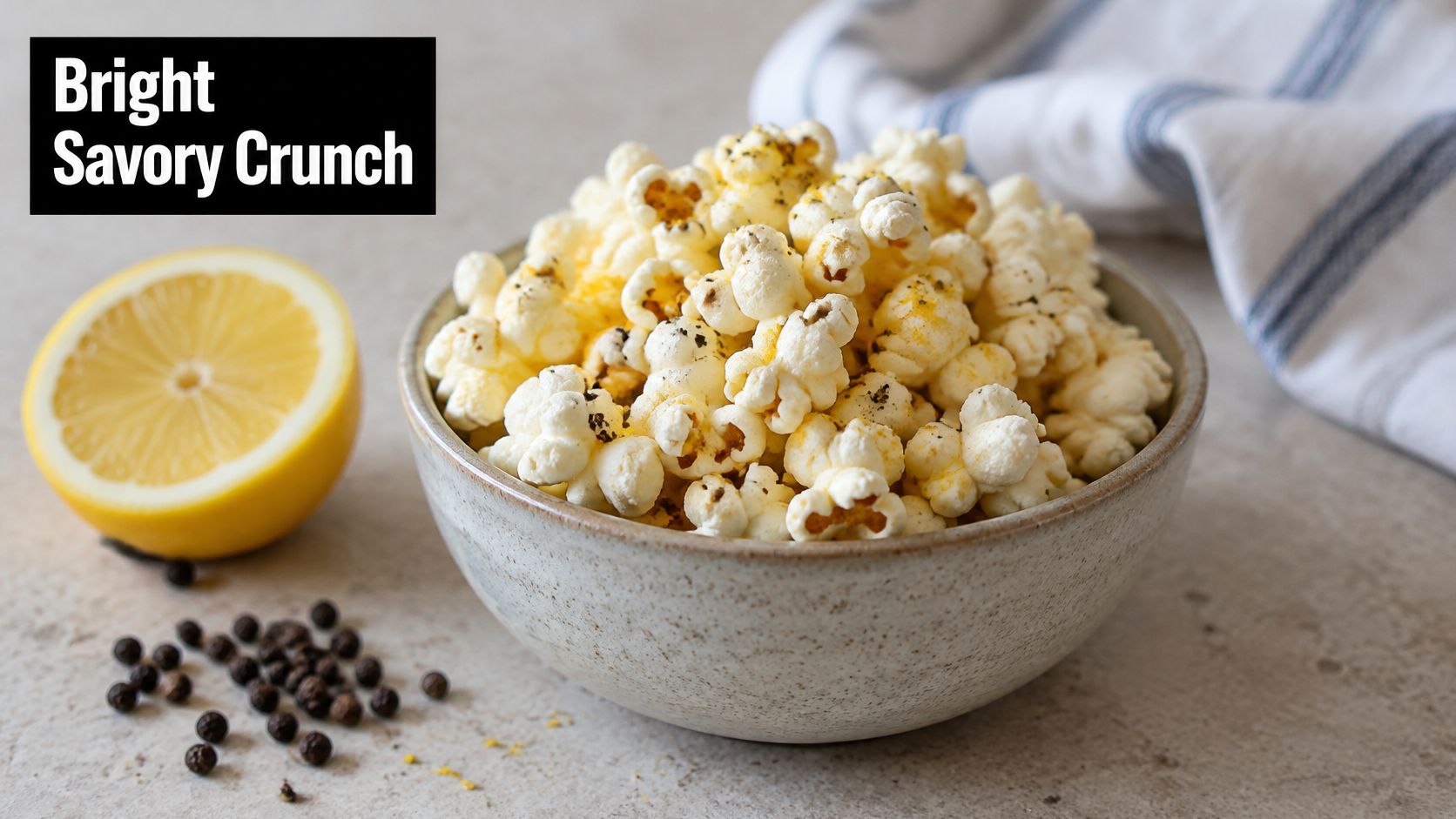
Lawry's Lemon Pepper is a useful flavour reference, not a ready-to-vend snack. Buy sealed retail snack packs from a dependable supplier rather than seasoning and repacking food for the machine.
Test within the existing salty-snack range
Place a lemon-pepper option alongside a classic salted product in the relevant snack row. Use Vendmoore's best workplace snacks guide to consider how it fits the broader break-room assortment.
Watch sodium: A citrus taste doesn't make a salty snack nutritionally lighter. Compare sodium per package.
Check the mechanics: Light popcorn bags and heavier nut packs need appropriate coils, clearances, and test vends.
Respect the audience: For schools, verify the exact product against applicable USDA Smart Snacks standards before stocking.
Positioning savoury snacks near beverage selections can make the shopping decision easier, but don't assume it increases combined purchases. Check transaction detail if the machine supports it.
Keep the classic option during the trial. If lemon pepper replaces existing snack sales without improving margin or customer satisfaction, it may belong in a rotation rather than a permanent slot.
5. Lemon and Honey Tea and Lozenges
A hospital employee coming off a long shift may want a warm, familiar drink rather than another cold bottle. Honey and lemon suits that occasion because the sweetness softens the sharp citrus flavour.
Honey-lemon tea and honey-lemon lozenges belong in different vending categories. Tea needs a usable beverage setup; lozenges need suitable dispensing hardware and a site that permits their sale.
Sell comfort without medical promises
Celestial Seasonings Honey Lemon Ginseng Green Tea is a flavour reference for a tea-based option, but check caffeine and preparation requirements. HALLS Honey Lemon products illustrate the lozenge category; confirm the exact formulation, package instructions, and site policy before selecting them.
Don't describe either choice as preventing illness or treating a condition. Use the manufacturer's product description, and distinguish ordinary confectionery from products carrying medicinal ingredients.
Stocking judgement: A honey-lemon product should earn its place through convenience and customer preference, not through unsupported wellness claims.
In an education staff room, a fall-and-winter tea rotation can work well beside an accessible hot-water station. Vendmoore's guide to tea vending machines helps distinguish a proper hot-beverage service from selling packaged tea.
Honey still contributes sugar. Sugar-free lozenges may contain sugar alcohols, so keep package information visible and avoid presenting them as interchangeable with the sugared version.
Track tea and lozenge sales separately. A successful hot-drink programme doesn't prove demand for a wellness-item compartment, and seasonal buying doesn't justify carrying excessive stock into warmer weather. Check expiry dates during every replenishment visit and adjust quantities to the site's actual usage.
6. Lemon and Chocolate or Vanilla Sweet Snacks
Vanilla usually makes an easier starting point than dark chocolate for a lemon snack. It softens the citrus impression without adding another strong flavour, while white chocolate supplies richness and sweetness.
Dark chocolate can work, but the combination of cocoa bitterness and sharp lemon needs careful balance. A product that tastes interesting during a sample session may still be too intense for an everyday break-room purchase.
Lemon OREO cookies, where available, provide a recognisable example of lemon paired with a sweet sandwich-cookie format. Individually wrapped lemon bars, vanilla-glazed lemon cakes, and lemon-filled pastries offer other routes, subject to package durability and storage requirements.
Treat indulgence as indulgence
A sensory pairing study published through HAL found greater perceived harmony for a lemon soft drink paired with lemon-aromatized dairy than for a dissimilar-aroma pairing. That supports testing compatible creamy flavours, but it isn't proof that a particular cookie will sell in your machine.
For an office afternoon-treat slot, place a lemon-vanilla snack beside a classic chocolate choice. Keep the portion size and price easy to compare, and check sugar, saturated fat, sodium, and milk or wheat allergens.
A citrus finish can taste light while the product remains a rich dessert. Don't label lemon pastries as healthier just because they contain fruit flavour.
For frozen-food programmes, a frozen dessert for honey lovers offers a related honey-citrus inspiration, but only manufacturer-packed products suitable for frozen vending belong in the machine.
Use telemetry to compare sell-through, margin, and waste. Limited editions can attract initial attention; continued sales after that curiosity fades are what justify another order.
7. Lemon and Coconut Hydration Drinks
Coconut water contributes mild sweetness and a distinctive flavour that lemon can sharpen. Some customers find the combination refreshing; others dislike coconut's lingering finish, so this isn't a universal replacement for sports drinks.
It fits a different occasion from raspberry lemonade. Airport passengers, stadium visitors, and employees doing physical work may look specifically for hydration-focused beverages rather than a sweet refreshment.
Read the electrolyte panel, not just the front label
Vita Coco and ZICO provide familiar coconut-water reference points, but verify whether your distributor carries a genuine lemon or citrus blend. Don't substitute a plain coconut-water product and describe it as lemon-flavoured.
Compare sugar: Coconut water can contain naturally occurring sugar, while blended drinks may also contain added sugar.
Compare electrolytes: Potassium content doesn't mean the product supplies the sodium needed for every hydration situation.
Keep water available: A premium coconut drink shouldn't displace convenient plain drinking water.
At a manufacturing site, offer the product within the employer's broader heat and hydration arrangements. Don't position it as a substitute for workplace safety procedures or assume every worker needs electrolyte replacement.
Vendmoore's guide to healthy cold beverages can help operators compare hydration products with other refrigerated choices. Use a visible, chilled position near the main traffic route, but make sure the bottle dispenses reliably before expanding the selection.
During Oklahoma's hot months, compare sales with weather, shift schedules, and attendance. If demand rises only during particularly hot working periods, seasonal stock depth may make more sense than permanent extra facings. Include unsold inventory and supplier availability in that decision, not just gross sales.
8. Lemon and Cucumber Refreshers
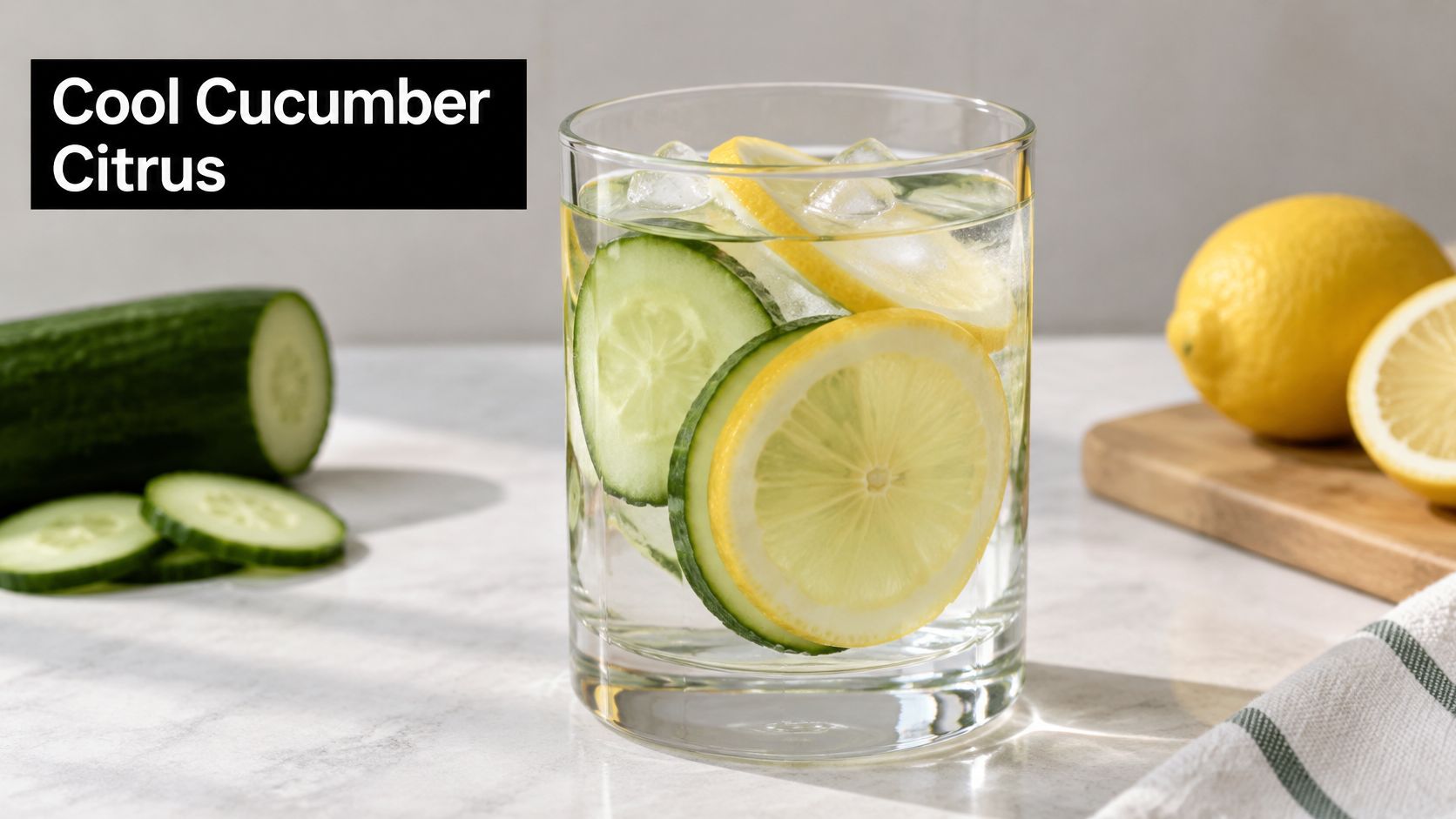
A lemon-cucumber drink belongs in the premium refreshment conversation, not automatically in every machine. Its light, vegetal flavour suits customers who already buy infused water or understated sparkling drinks.
In a corporate business centre, it can offer something distinct from soda. On a manufacturing floor where buyers favour stronger flavours and larger bottles, the same product may struggle to justify its space.
The presentation suggests the lighter flavour profile customers should expect.
Make the premium choice easy to understand
Look for packaged cucumber-lemon sparkling waters or infused drinks through premium beverage distributors. Check the actual flavour name carefully: cucumber, cucumber-lime, and cucumber-lemon products aren't interchangeable.
Say a professional-office tenant asks for a spa-style drink. Test a sealed lemon-cucumber product beside lemon-mint sparkling water, display the price clearly, and ask whether customers prefer still or sparkling. Don't add several near-identical premium waters before establishing demand.
Check sugar and sodium even when the branding looks minimal and wellness-focused. Cucumber flavour doesn't guarantee an unsweetened formulation, and premium packaging doesn't establish nutritional value.
A higher-priced drink needs a clear reason to buy it. Familiar packaging, a visible flavour description, and reliable chilling matter more than calling it premium.
Telemetry can show whether the product moves consistently, but customer feedback can explain why it doesn't. Ask about flavour strength, carbonation, bottle size, and price rather than asking whether people want healthier drinks.
Keep lemon-cucumber where customers actively choose it. If requests are enthusiastic but sales remain weak, reduce stock or rotate it out instead of treating compliments as purchase commitments.
How the eight lemon pairings compare for vending placement
Item | Best Vending Format | Sugar Profile | Best Placement | Season Fit |
|---|---|---|---|---|
Lemon and Ginger Beverages | Tea, soda, or sparkling water | Varies; low-sugar options available | Break rooms and healthcare facilities | Year-round; especially suited to afternoon breaks |
Lemon and Raspberry Lemonade | Bottled, canned, or sparkling lemonade | Typically higher sugar | Stadiums, airports, and event venues | Spring through early fall |
Lemon and Mint Sparkling Water | Chilled bottles or cans | Typically unsweetened and zero-calorie | Refrigerated wellness row in offices or healthcare facilities | Year-round; refreshing in warm weather |
Lemon Pepper Savory Snacks | Chips, popcorn, nuts, or snack mixes | Lower sugar; sodium may be high | Break rooms, near beverage selections | Year-round |
Lemon and Honey Tea and Lozenges | Hot tea, drink mixes, or lozenges | Mellow sweetness; varies by product | Healthcare, education, and office locations | Fall and winter |
Lemon and Chocolate or Vanilla Sweet Snacks | Cookies, bars, or filled pastries | Typically higher in sugar and calories | Break rooms and afternoon snack rows | Year-round; limited editions suit seasonal rotations |
Lemon and Coconut Hydration Drinks | Bottled or canned hydration drinks | Mild natural sweetness; varies by product | Stadiums, airports, and manufacturing sites | Best in hot weather and during active shifts |
Lemon and Cucumber Refreshers | Premium sparkling water or infused drinks | Typically unsweetened and low-calorie | Corporate and professional settings | Year-round; especially suited to warm weather |
Building a Lemon Lineup That Sells Across Every Break Room
Lemon works best in vending when you spread it across categories rather than concentrate it in similar drinks. Start with a beverage pairing and a savoury or sweet snack, then use telemetry to see which combinations sell through. Keep familiar alternatives available while customers try the additions.
Vendmoore's connected machines in Oklahoma City, Norman, and Edmond make it straightforward to test rotations, adjust by location, and keep the lineup fresh through the seasons. The important part is interpreting the sales properly. An empty slot shows unmet availability, not the full level of demand, while a slow product may have poor visibility.
Compare products under fair conditions
Record when each product was stocked, its selling price, its machine position, and any dispensing faults. Compare similar operating periods, allowing for office attendance, school calendars, shift changes, and stadium events. Otherwise, you risk removing a good product because it arrived during a quiet period.
Use sales alongside margin, spoilage, expiry risk, and replenishment effort. A premium coconut drink may bring worthwhile margin despite slower movement, while a fast-selling pastry can disappoint if too much stock expires. Ask the operator to explain those trade-offs rather than choosing solely by the most popular flavour.
Keep the choice distinct: Lemon-ginger, raspberry lemonade, and lemon-pepper popcorn serve different tastes and occasions.
Protect nutritional choice: Offer lower-sugar drinks without implying that every citrus product is healthy.
Listen locally: Hospital staff, office tenants, and industrial teams won't necessarily want the same assortment.
Act on the result: Increase reliable sellers, reduce weak stock, and revisit seasonal products when conditions change.
Make product information part of the service
Clear nutrition information matters alongside flavour. The FDA's vending-machine labelling requirements generally require calorie disclosure for operators owning or operating 20 or more vending machines when the relevant nutrition information isn't already visible before purchase.
Keep product records aligned with what's loaded, especially when replacing a sugared drink with a zero-sugar version or swapping package sizes. The displayed selection, price, and nutrition information should describe the item the customer receives.
Good break room vending isn't about stocking every possible lemon pairing. It's about giving each site a useful mix, maintaining dependable availability, and responding when buying habits change. The right vending services operator combines that everyday attention with sales information, so each selection has a practical reason to stay.
Vendmoore Enterprises offers fully managed smart vending services, cashless payments, and location-specific snack, drink, and frozen-food assortments across the Oklahoma City metro, including Norman and Edmond. Visit Vendmoore Enterprises to discuss a lemon-inspired product rotation or a complete break room vending programme supported by connected inventory monitoring and responsive local service.
Comments